Health and Safety Policy for Movers Putney
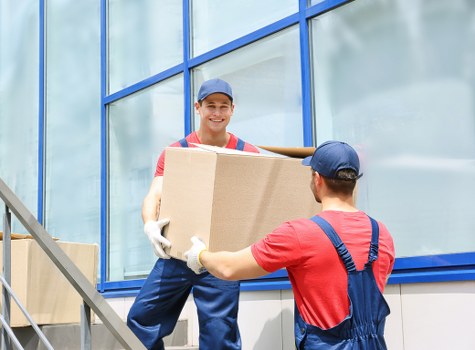 Movers Putney is committed to maintaining a safe, controlled, and health-conscious working environment for every member of the moving team, clients, contractors, and the public. This policy sets out the principles and responsibilities that guide safe removals work from start to finish. It applies to all moving activities, including lifting, packing, loading, transporting, and unloading, and it supports a culture where safety is treated as a core value rather than an afterthought.
Our Putney movers understand that each relocation carries different hazards, so risk awareness is essential. The company aims to prevent injury, damage, and disruption by planning work carefully, using suitable equipment, and ensuring that staff are trained to follow safe methods. We expect every mover to act responsibly, report concerns promptly, and follow established procedures at all times.
We also recognise that health and safety is not only about avoiding accidents; it is about creating a working environment where employees are protected from strain, stress, fatigue, and unnecessary exposure to harm. Safe moving practices help preserve wellbeing, improve service quality, and support consistent standards across all jobs.
 The company’s approach begins with risk assessment. Before any move, the team should review the property layout, access points, stairways, parking conditions, load size, and any items that may require special handling. A suitable assessment helps identify heavy, awkward, fragile, or potentially hazardous objects so that the correct controls can be applied. If conditions change during the move, the assessment must be updated accordingly.
All staff are expected to use safe manual handling techniques. This includes planning lifts, keeping loads close to the body, bending the knees rather than the back, avoiding twisting under strain, and asking for assistance when an item is too heavy or difficult to control. Where possible, the team should use trolleys, straps, blankets, and other moving aids to reduce physical risk. The goal is to minimise musculoskeletal injuries and prevent avoidable incidents.
Equipment safety is equally important. Vehicles, lifting aids, protective materials, and tools must be checked before use to ensure they are in proper working condition. Damaged or faulty items should be removed from service immediately. Regular inspection supports safe operations and helps prevent delays caused by equipment failure. Only trained and authorised personnel should operate moving equipment or handle specialist items.
 Personal protective equipment, or PPE, must be provided and used where necessary. Depending on the task, this may include safety gloves, sturdy footwear, high-visibility clothing, or other protective items. PPE is not a substitute for good practice, but it offers an additional layer of protection when working in physically demanding or higher-risk environments. Employees are responsible for keeping PPE clean, worn correctly, and in usable condition.
Housekeeping also plays a major role in accident prevention. Work areas should be kept clear of trailing cables, loose packaging, broken materials, and other trip hazards. Items should be stacked securely and stored in a way that avoids collapse or damage. During loading and unloading, team members must remain alert to moving vehicles, open doors, ramps, and changes in floor levels. Good housekeeping helps maintain order and reduces the likelihood of slips, trips, and falls.
Communication is vital throughout every stage of a relocation. Clear instructions should be given before lifting or moving items, and team members should confirm understanding before acting. Where multiple movers are involved, coordinated movements and agreed signals can prevent collisions or sudden shifts in load. Effective communication is especially important in busy properties, shared spaces, and time-sensitive situations where several tasks may be happening at once.
To protect the wellbeing of staff, the company encourages sensible work pacing and fatigue management. Long or demanding moves should be planned with appropriate rest periods, hydration, and task rotation when necessary. Employees should not continue working while injured, unwell, or too tired to operate safely. Supervisors must monitor workload and ensure that pressure to finish quickly never overrides safe practice.
 Certain items require additional care due to their size, weight, value, or fragility. Examples may include large furniture, appliances, glass items, artwork, electronics, and antiques. These objects should be assessed in advance, packed securely, and handled using methods that suit their specific needs. When specialist lifting, disassembly, or transport arrangements are required, the team must follow the relevant safety procedure and seek expert support if needed.
Fire safety, vehicle safety, and site safety are also covered by this policy. Vehicles must be loaded securely to prevent shifting during transit, and drivers should ensure that visibility, weight distribution, and load restraint meet safe standards. If a property has fire exits, alarms, or restricted access areas, the crew must respect those controls and keep routes unobstructed. Every move must be carried out with care for people and property alike.
 Any accident, near miss, or unsafe condition must be reported and recorded as soon as possible. Prompt reporting allows the company to investigate causes, correct weaknesses, and prevent repeat occurrences. Lessons learned from incidents should be used to improve training, equipment checks, and work methods. This process supports continuous improvement and strengthens our safety culture over time.
Training is a central part of the policy. All employees should receive induction and ongoing instruction in manual handling, equipment use, hazard awareness, emergency response, and safe behaviour on site. Refresher training should be provided when procedures change or when a risk trend indicates the need for improvement. The company expects managers and team leaders to reinforce these standards through supervision and example.
Ultimately, this policy reflects the company’s commitment to responsible moving services. By combining planning, training, communication, and care, Movers Putney can protect people, reduce risk, and deliver a reliable service. Every employee is expected to support this commitment and uphold the highest practical standards of health and safety in all moving operations.